
Introduction: Why Health Insurance Matters Here
Health care in the United States is expensive, and Ohio is no exception. Without insurance, even a minor emergency can lead to major bills. Having a health insurance plan gives you financial stability, access to preventive care, and peace of mind for both you and your family.
This guide breaks down how to buy health insurance in Ohio — the options available, when and how to enroll, what costs to expect, and tips to make the process simpler.
What Health Insurance Is and Why You Need It
Health insurance is a contract that helps pay for medical and surgical costs. Instead of paying the full price out of pocket every time you visit a doctor, hospital, or pharmacy, you pay a monthly premium and in return the insurance plan covers part of these costs according to its benefits.
In Ohio, health insurance helps protect you from:
- Emergency medical bills
- Routine checkups and screenings
- Prescription drugs
- Specialist visits
- Hospital stays
The cost of health care rises with age and use, and without insurance, the financial impact can be severe. Nationally, average monthly healthcare cost is increasing — and Ohio’s costs tend to fall somewhere in the middle of the US range. Kiplinger
Where to Buy Health Insurance in Ohio
There are several ways to obtain a health insurance plan in Ohio:
1. HealthCare.gov (Federal Marketplace)
Ohio does not have its own special state exchange, so residents use HealthCare.gov (the federal marketplace) to shop and enroll in Affordable Care Act (ACA) health plans. healthinsurance.org
- Open enrollment generally runs from November 1 to January 15 each year for coverage beginning the following calendar year. healthinsurance.org
- If you qualify for a “special enrollment period” — such as losing other coverage, moving, having a baby, or marriage — you may enroll outside this window. healthinsurance.org
2. Employer-Sponsored Insurance
If your job offers health insurance, that’s often the simplest route. Ask your HR department about:
- Costs for you and your dependents
- What services are covered
- Deductibles and copays
Employer plans frequently offer a subsidized premium because your employer pays part of it.
3. Medicaid and CHIP
Ohio has public programs for those with limited income:
- Medicaid for low-income adults and families
- CHIP (Healthy Start) for children
These programs are administered through the Ohio Department of Job and Family Services. Centers for Medicare & Medicaid Services
After the pandemic continuous coverage policy ended, many Ohioans were redetermined for Medicaid and some moved into marketplace plans instead. healthinsurance.org
4. Medicare
If you are 65 or older, or qualify due to disability, Medicare is the federal health insurance program available to you. These plans are separate from Ohio’s Marketplace but widely used and accepted across providers in the state.
How to Shop and Compare Plans
When shopping for health insurance, you’ll see different plan categories:
- Bronze — Lower monthly premiums, higher costs when you use care
- Silver — Balanced choice for people who anticipate some health appointments
- Gold — Higher premiums, lower out-of-pocket costs
Each level affects how much you pay monthly versus when you receive care. ValuePenguin
Costs You Should Know
- Premium – Monthly amount you pay to keep the plan active
- Deductible – Amount you pay out of pocket before insurance starts covering costs
- Copays/Coinsurance – Your share of costs when you receive care
- Out-of-Pocket Maximum – The most you’ll pay in a year before insurance pays 100%
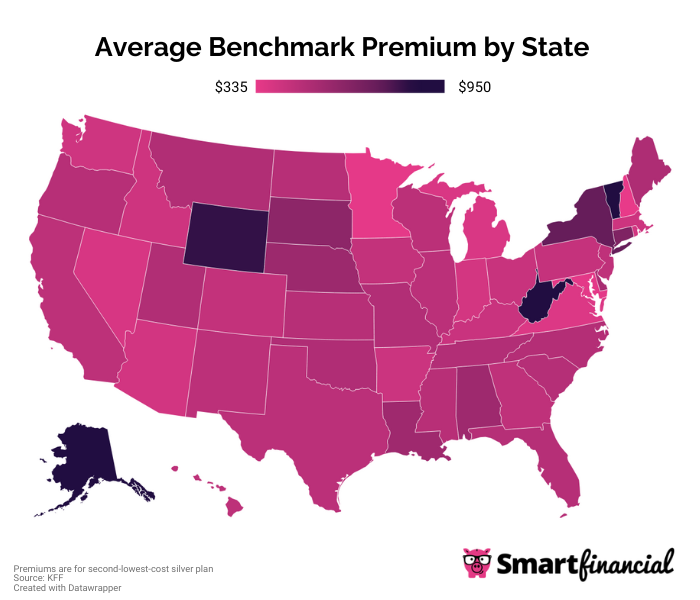
In Ohio, average marketplace plans have varied costs, and subsidies can significantly affect what you actually pay. healthinsurance.org
Subsidies and Financial Assistance
Many Ohio residents are eligible for premium tax credits (subsidies) that reduce their monthly payments for Marketplace plans. Eligibility depends on your income relative to federal poverty guidelines. healthinsurance.org
For households with income below certain levels, additional cost-sharing reductions may lower deductibles and out-of-pocket expenses. healthinsurance.org
Be aware: federal subsidy enhancements that made coverage cheaper in prior years are set to change, potentially increasing costs in 2026. Reuters
Step-By-Step: How to Enroll in Ohio
Here’s a practical pathway to get insured:
Step 1 — Visit HealthCare.gov
Create an account and fill out your household and income information. The site will show plans available in your area and whether you qualify for financial help. Affordable Health Insurance
You can enroll online, or:
- Call HealthCare.gov at 1-800-318-2596
- Use navigators or certified application counselors for free help
- Apply by mail or in person through local assistors. blog.aura-insure.com
Step 2 — Compare Plans
Look at:
- Monthly premiums
- Covered benefits
- Network of doctors and hospitals (check OhioHealth partners for accepted insurers like Anthem, Molina, UnitedHealthcare, etc.) OhioHealth.com
Step 3 — Choose and Enroll
Select a plan that fits your needs and budget. Coverage usually begins January 1 if enrolled by mid-December. healthinsurance.org
If outside open season, certain life events allow you to enroll through a special enrollment period. healthinsurance.org
Tips for Getting a Good Deal
1. Use Available Tools:
HealthCare.gov’s comparison tools include estimated subsidies and total costs.
2. Look at Networks:
Plans vary in which doctors and hospitals they cover. Confirm that your preferred providers are in network. OhioHealth.com
3. Consider Your Health Needs:
If you expect frequent care, a higher premium but lower deductible plan could save money in the long run.
4. Ask for Help:
Community groups like UHCAN Ohio offer free assistance to help you find and enroll in plans. uhcanohio.org
What to Watch Out For
Avoid Non-ACA Plans That Aren’t Real Insurance:
Some products (like limited indemnity or “healthshare” plans) are cheaper but don’t meet ACA standards and may not cover essential benefits. TIME
If a deal seems too good to be true, confirm that you’re looking at a legitimate ACA plan — not a marketing lead or substandard product.
Understanding Cost and Value
Health insurance costs vary by age, plan type, and household size. Source estimates suggest that Ohio premiums can range widely, with some averages from around a few hundred dollars per month upward — depending on coverage level and whether subsidies apply. USHealthCosts.com
Remember, insurance protects you against major financial loss from unexpected health events — not just routine care.
After You Enroll: Making the Most of Your Coverage
Once insured:
- Know your benefits: What is covered and any specialist referral rules
- Use preventive care: Free or low-cost screenings under ACA plans
- Keep payments current: Avoid a lapse in coverage
- Review annually: Each open enrollment, compare plans again
Insurance needs change with life events, income shifts, and health conditions.
Summary: The Right Path for You
In Ohio, buying health insurance doesn’t have to be confusing:
- Check eligibility for Medicaid or CHIP first if your income is limited. Centers for Medicare & Medicaid Services
- Use HealthCare.gov to compare ACA Marketplace plans and subsidies. healthinsurance.org
- Explore employer-based, Medicare, or Medicaid options depending on your situation.
- Make sure your selected plan matches your health needs and budget.
Health insurance is an investment in your health and financial stability — and with careful choices, you can find coverage that works for you in Ohio.
Word Count:
311
Summary:
Ohio residents are afforded certain protection when buying health insurance from a state licensed insurer as a result of standards put in place by the Ohio Department of Insurance. Below are some of the standards you should be aware of when buying insurance:
Alcohol Treatment : There must be at least $550 per year in alcohol treatment whether inpatient or outpatient
Mental Illness : On an outpatient basis, there is a requirement for $550 per year for treatment. This ap…
Keywords:
Article Body:
Ohio residents are afforded certain protection when buying health insurance from a state licensed insurer as a result of standards put in place by the Ohio Department of Insurance. Below are some of the standards you should be aware of when buying insurance:
Alcohol Treatment : There must be at least $550 per year in alcohol treatment whether inpatient or outpatient
Mental Illness : On an outpatient basis, there is a requirement for $550 per year for treatment. This applies only if the policy covers in hospital treatment of mental illness.
Kidney dialysis : If an insurer provides coverage for dialysis in a hospital, it must also provide the same coverage for dialysis on an outpatient basis.
Specific practitioners : Health policies in Ohio cannot discriminate against particular health professionals. It must pay any licensed professional who legally performs a service. This includes Chiropractor, dentist, nurse-midwives, Mechanotherapists, osteopaths, Optometrists, Podiatrists, Psychologists
Generic drug use : If a policy covers prescription drugs, it must pay for any legally approved drug prescribed by your doctor even if it has not been approved by the government for treating your particular medical problem or disease.
Pregnancy and Maternity : Insurance companies do not have to offer maternity benefits, However, when it is provided, it may never be considered a pre-existing condition. Although, under certain conditions, an insurer may impose a 270-day waiting period before providing maternity benefits.
Mammograms: Every major medical policy group and individual must cover mammograms for breast cancer screening in adult women.
The frequency varies depending on age:
Age: 35-39 One only
Age: 4-49: One every two years unless your doctor has reason to believe you are a high risk for breast cancer
Age 50-64: one a year.
This is subject to a maximum of $85 per covered mammogram.
Please view our recommended insurance quote companies below. They are also great sources for information about rates and coverages for most of the lower 48 states.



Tinggalkan Balasan